
 Monet David, MS, LPC, ADHD-CCSP
ADHD 101
 Monet David, MS, LPC, ADHD-CCSP : Sep 24, 2024, 2:36:00 PM
Understanding ADHD: Discover the complexities, symptoms, and effective treatments for ADHD, and learn how to support loved ones.
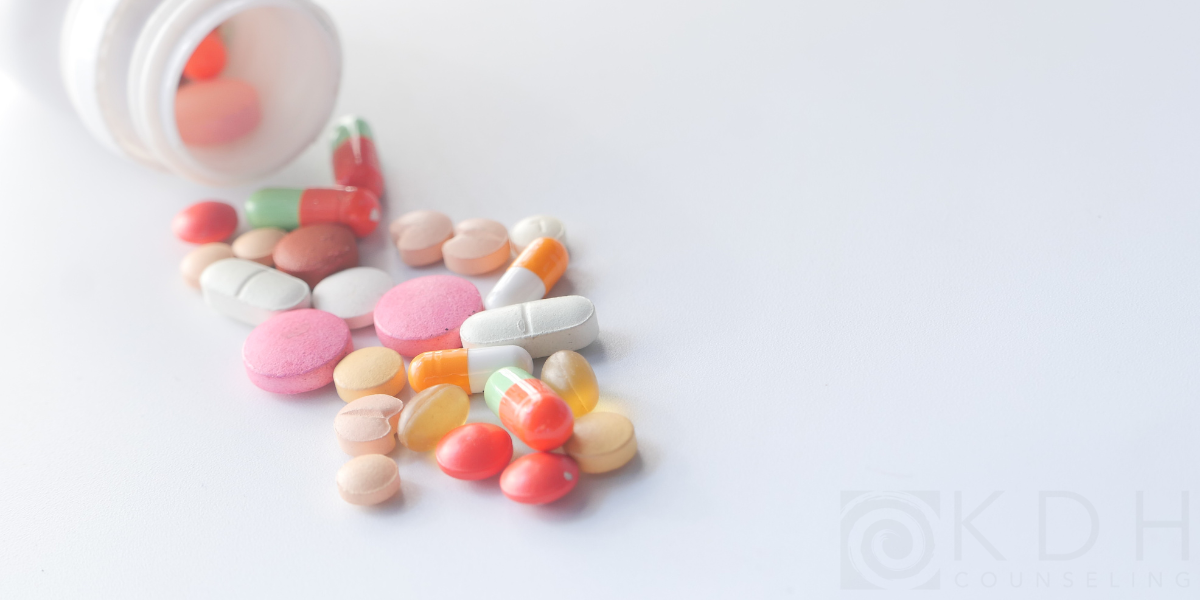
Making the decision to explore ADHD medication is a significant milestone. For many, it marks the transition from "trying harder" to "treating a biological reality." However, with so much information available online, it is easy to feel overwhelmed by the choices, the side effects, and the clinical terminology.
As an ADHD-Certified Clinical Service Provider, my goal is to empower you with evidence-based facts. While I do not prescribe medication, I work closely with my clients to manage the behavioral and emotional aspects of ADHD. Understanding your medication options allows you to walk into your doctor’s office with confidence.

Before diving into the medications themselves, we must understand what we are treating. Attention-Deficit/Hyperactivity Disorder (ADHD) is not a character flaw or a lack of discipline. It is a complex neurodevelopmental condition (that’s a fancy way of saying your symptoms exist across a person’s entire lifespan).
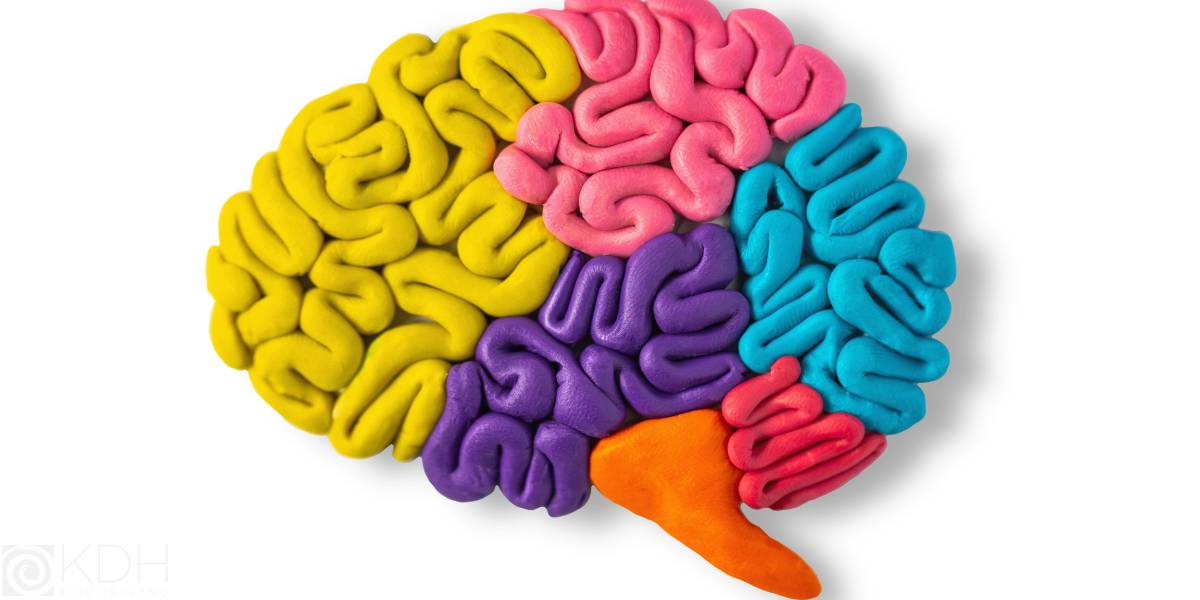
Research from the National Institute of Mental Health (NIMH) shows that ADHD is linked to specific differences in brain structure and chemistry.
Executive Function Challenges: The prefrontal cortex (the brain's "manager") often has lower activity levels. This area controls focus, organization, and impulse control.
The Reward System: The ADHD brain often has a "dopamine deficit." This makes mundane tasks feel physically painful to start, leading to chronic procrastination.
The Default Mode Network: This is the part of the brain responsible for mind-wandering. In ADHD, this network doesn't "switch off" when you try to focus, leading to that constant internal "noise."
For more foundational facts, the Centers for Disease Control and Prevention (CDC) provides a detailed breakdown of how ADHD presents across different life stages.
When a healthcare provider discusses medication options, they generally look at two primary categories: stimulants and non-stimulants.
Stimulant medication is considered the "gold standard" for ADHD treatment. Despite recent social media trends questioning their safety, stimulants have been used safely and effectively since the 1930s. In fact, they are among the most thoroughly researched medications in all of psychiatry.
Stimulants work by increasing the availability of two vital neurotransmitters in the brain:
Dopamine: Responsible for motivation, reward, and the ability to start a task.
Norepinephrine: Responsible for alertness, arousal, and sustained attention.
The Analogy: Think of the ADHD brain as having a "leaky faucet" of dopamine. Stimulants help "plug the leak" so the brain has enough chemical fuel to stay on task without needing constant external stimulation.
Short vs. Long Release
A major factor in treatment is the acting profile, or how the medication is delivered into your system:
Stimulants are effective for about 70–80% of people. However, if they aren't the right fit due to heart concerns, anxiety, or side effects, there are several powerful non-stimulant options.
Originally investigated as an antidepressant, this class of medication was found to be highly effective for ADHD by specifically targeting the brain's "alertness" chemical.
Certain medications used for mood also affect both dopamine and norepinephrine. Clinicians sometimes use these "off-label" for ADHD, especially if a client also struggles with depression, seasonal changes, or low energy.
These medications work differently than the others. Instead of increasing the volume of neurotransmitters, they sensitize the receptors in the prefrontal cortex-the "CEO" of the brain.
|
Medication Class |
Primary Mechanism |
Primary Benefit |
|
Stimulants |
Increases Dopamine & Norepinephrine |
Immediate focus and task initiation. |
|
SNRIs |
Targets Norepinephrine |
24/7 coverage; no "wearing off" period. |
|
Alpha-2 Agonists |
Sensitizes brain receptors |
Helps with impulsivity and emotional regulation. |
Every adhd medication carries the potential for side effects. The good news? Most of these can be managed with behavioral changes or dosage adjustments.
This is very common with stimulant medication.
The Strategy: Eat a high-protein, calorie-dense breakfast before taking your medication. Focus on "mechanical eating" (eating on a schedule) rather than waiting for hunger cues.
As an acting stimulant wears off, some people experience a "crash." This can look like intense irritability, fatigue, or a sudden spike in ADHD symptoms.
The Strategy: Talk to your doctor about a "booster" dose (a small immediate-release dose in the afternoon) or switching to a longer-acting formulation.
If stimulants are still active in your system at bedtime, sleep will be difficult.
The Strategy: Take your medication as early as possible. Limit caffeine, as it "stacks" with your medication and increases heart rate/jitteriness.
Some clients report feeling emotionally flat or "not like themselves."
The Strategy: This usually means the dose is too high
. A simple reduction in milligrams often restores the person’s personality while maintaining the focus benefits.Many people fear that starting adhd medication means they will be "drugged up." In reality, modern medicine uses a very cautious approach called titration.
Finding the right dose is a marathon, not a sprint. Patience during this phase is key to long-term success.
There is a common saying in the ADHD community: "Pills don't build skills."
While medication can "turn on the lights" in the brain, it doesn't teach you how to use a planner, how to regulate your emotions, or how to navigate a world built for neurotypical people. This is where therapy and coaching come in.
Research consistently shows that the best outcomes for ADHD come from a combination of medication and behavioral therapy.
Medication provides the biological stability to focus.
Therapy provides the strategies to manage time, organization, and self-esteem.
According to CHADD (Children and Adults with ADHD), treating ADHD holistically also reduces the risk of co-occurring conditions like anxiety and substance use disorder.
Living with ADHD makes it inherently difficult to remember to take adhd medication. Here are some "life hacks" to help you stay consistent:
Navigating the world of ADHD is a journey, and you don’t have to do it alone. At KDH Counseling, we specialize in the "skills" side of the equation.
Whether you are just starting to look at medication options or you have been medicated for years and still feel like you're struggling to keep your head above water, we are here to help. We offer:
Individual Therapy focused on executive functioning and emotional regulation.
ADHD is not a deficit of will; it is a deficit of chemical regulation. Choosing to use medication is an act of self-care, not a sign of weakness. By understanding the science, the options, and the strategies for management, you can unlock a level of functioning you may have never thought possible.
Meet our psychiatric nurse practitioners and learn about medication management in Lafayette, including what to expect when starting care.
 Monet David, MS, LPC, ADHD-CCSP : Sep 24, 2024, 2:36:00 PM
Understanding ADHD: Discover the complexities, symptoms, and effective treatments for ADHD, and learn how to support loved ones.
-1.png) Monet David, MS, LPC, ADHD-CCSP : Jun 22, 2026, 12:39:51 PM
Monet David, MS, LPC, ADHD-CCSP : Jun 22, 2026, 12:39:51 PM
Explore how ADHD uniquely affects women, leading to late diagnoses and the struggle of masking. Discover paths to understanding and embracing...
 Monet David, MS, LPC, ADHD-CCSP : May 5, 2021, 11:56:52 AM
Explore the importance of empathy, validation, and acceptance in therapy, and learn how this ADHD therapist can help adults in fostering mental...